Storyboarding
As stated in lecture, the way you can break down what storyboarding is is simply thinking of it as staging and acting. It is problem-solving in the way that you should be thinking “What is my story, and how can that be best communicated visually?”
Storyboarding is very helpful in terms of planning out how your final film is going to look, when the camera cuts are going to occur, how the characters should act. It is not only used in 3D animation, but also in live action films. Overall, storyboarding is extremely helpful when you have a tight schedule to finish your film.
Think about stakes, vulnerability, and passion!
Your staging and acting definitely affects how your audience perceives what these things are within your story, so make sure to use them to your advantage!
The way this section will be structured is that in this first part, we will be talking about staging, and in the second part, acting. These are mostly going to be bullet point-esque notes that I’ve found useful in thinking about how to make the most of my storyboards for the story. So, let’s begin.
Staging (AKA Camera)
Camera is extremely important when determining what emotions you want to evoke in a certain part of the story. This will be varied, as there are going to be different emotional beats at different parts of the story.
Overall, you will want to avoid using camera movement within your UCBUGG shorts, simply because students usually get too excited about cameras in Maya and move their shot more often than necessary.
Here are some examples of camera shots:
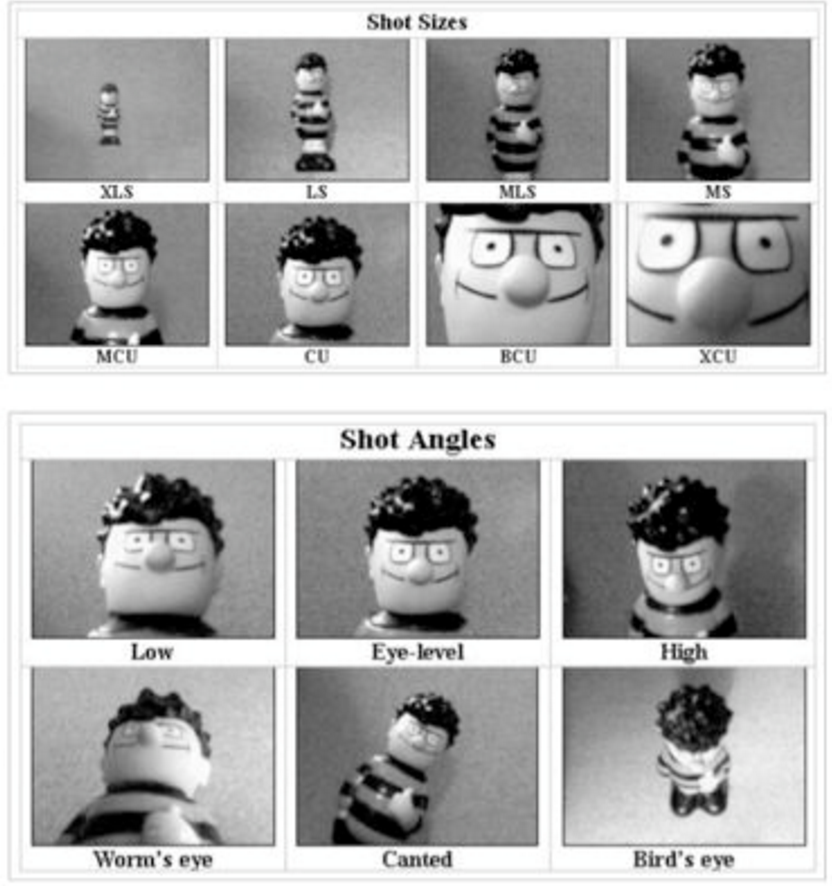
Info
Scene: the action that occurs in one shot before a camera cut happens
It is important for audience to not get lost in the universe - what this means is that the audience knows where the characters are located at all times. Lightly drawing hints of background really helps - having certain props or bg elements in the shot can help the audience keep track of where the character is, especially if you are cutting to different angles in the same area.
Watch your favorite movie with the sound off to analyze how long they chose to hold the shot and framing and how it is effective in communicating the emotion or tone of the scene.
Remember that staging and acting are only vehicles to communicate the relationship of your characters, the conflict, their emotions, and more.
Acting
Think about how acting is unique to your own character. How would they react if they were introverted versus if they were extroverted? Similar to how we broke down what storyboarding was, to water down what acting is, you want to think about the key poses of your character and their facial expressions.
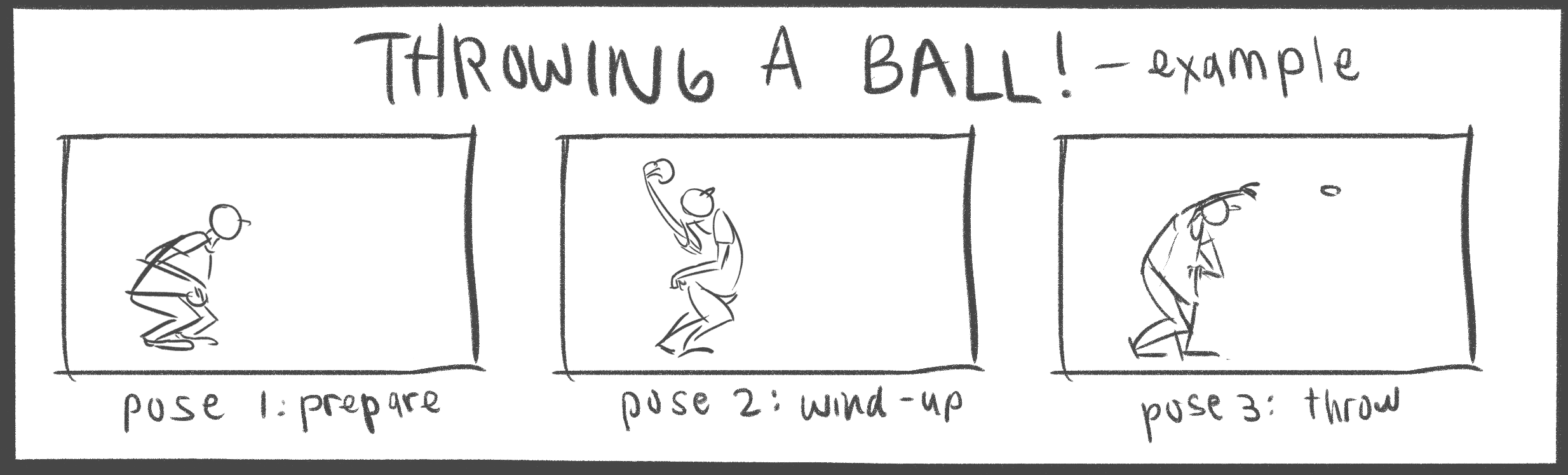
Key Poses
For example, if someone is throwing a ball, you would need to have the initial pose (the wind-up), the mid-pose (how the character is throwing the ball), and the follow-through pose (after the ball leaves the character’s hand)
Facial Expression
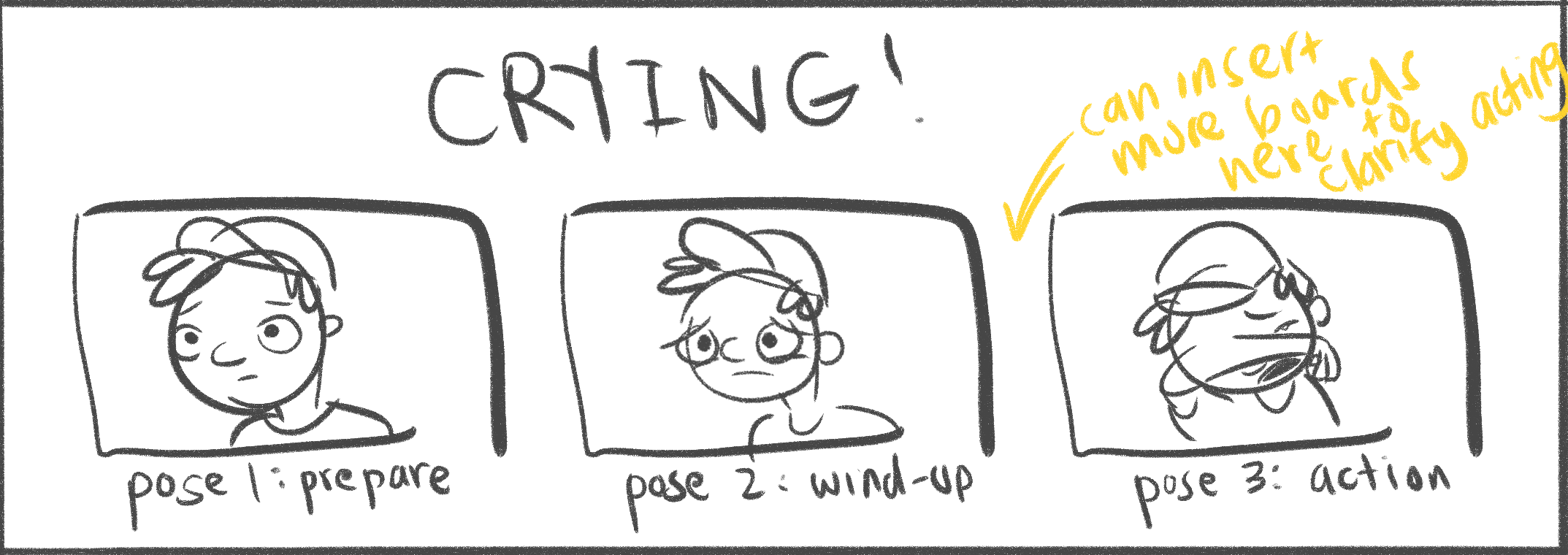
For example, if a character is about to cry, you may have one drawing where the character is almost neutral, another one where the character’s face scrunches up, another where eyes open and tear falls.
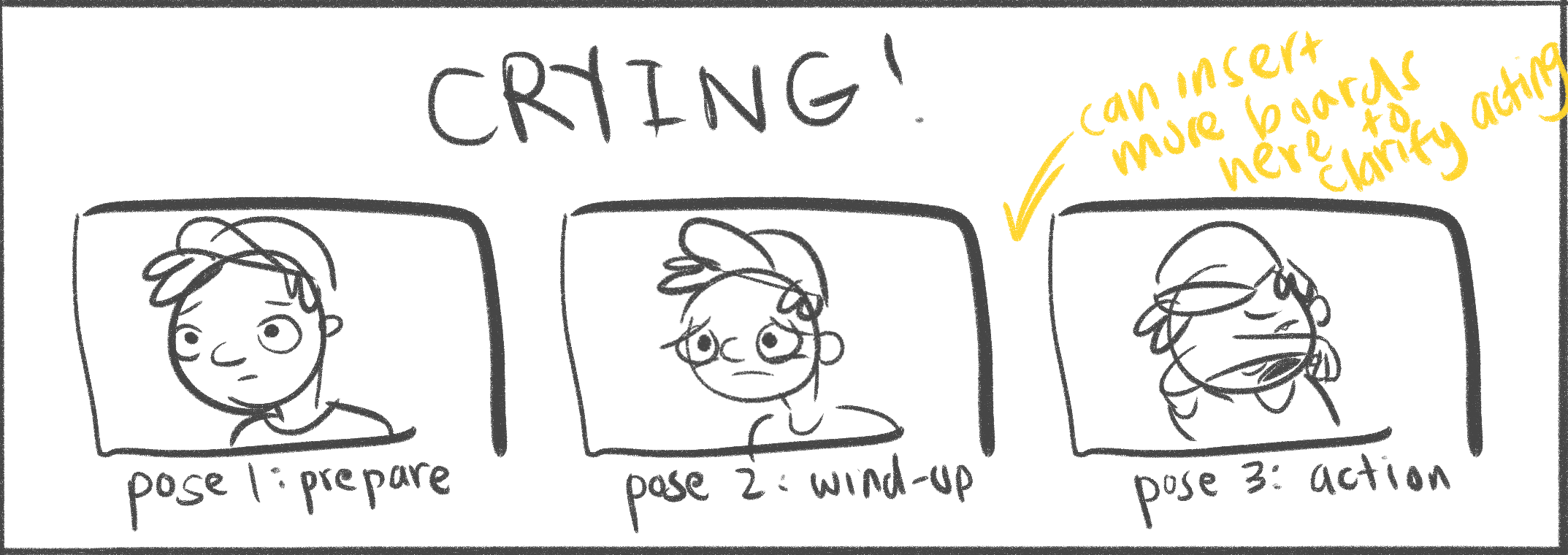
Staging and acting go hand-in-hand. You wouldn’t necessarily have a close up shot if your character is in the middle of some fight sequence, and at the same time, you wouldn’t have an extreme long shot if you want to focus on the character’s eyes twitching.
Good Resources to Learn More About Storyboarding
These were all recommended to me by professional storyboard artists, and are ultimately very great resources to follow.
http://tobyshelton.blogspot.com/ - Toby Shelton is a storyboard artist who has worked at Disney, DreamWorks, and more. You can see a lot of his work on feature films here.
http://sevencamels.blogspot.com/ - Recommended by many storyboard artists. Wonderful info and analysis on story
http://floobynooby.com/comp1.html - Goes into depth on the process of storyboarding. Great foundation topics and pointers.
Pitching
Pitching is definitely one of the hardest parts that comes with storyboarding. You absolutely cannot avoid practicing beforehand, and the audience can definitely sense when pitches are not rehearsed. Here are some tips for pitching I found useful for myself and hope they could be of use to you as well:
Tip
- Pitch with excitement and confidence
- Adding on to that: people usually get excited about the same things you do if you are also clearly excited about your idea
- If you’re pitching a story, make sure to PAUSE
- Don’t rush through your story - even though you only have one minute to pitch, that doesn’t mean you should squeeze every single detail of your story in as fast as possible. Plan out key elements of your story so your words can sink into people and they can understand your story.
- Most of all, speak clearly and avoid quietness
- Practice with your storyboards and make sure the boards are clear and concise and don’t conflict with your verbal pitch
- Eric Goldberg is known best for his work at Disney and Warner Bros. In this video, he pitches an unproduced 1947 Donald Duck storyboard.

Visual Development
We use the term ‘visual development’ to encompass all parts of design within story. It is a broad term, and it determines how the visual look of your final film will turn out. Where storyboarding plans out the stage and framing, visual development plans out the aesthetic.
In general, vis dev artists like to see and reference art in any setting - whether it be from art books/museums/more. Referencing traditional art and analyzing how and why it is effective is going to be very very very very useful.
Style
Don’t just pick any style that looks “cool”; style matters because you are building the world your characters are going to live in, and every choice should have a reason behind it. What is the entire look or feel of the short you are going for, and how does it underline the message of your story?
Having good references helps define what you are going for, which will give the audience a clearer idea of what the world is and who the characters are.
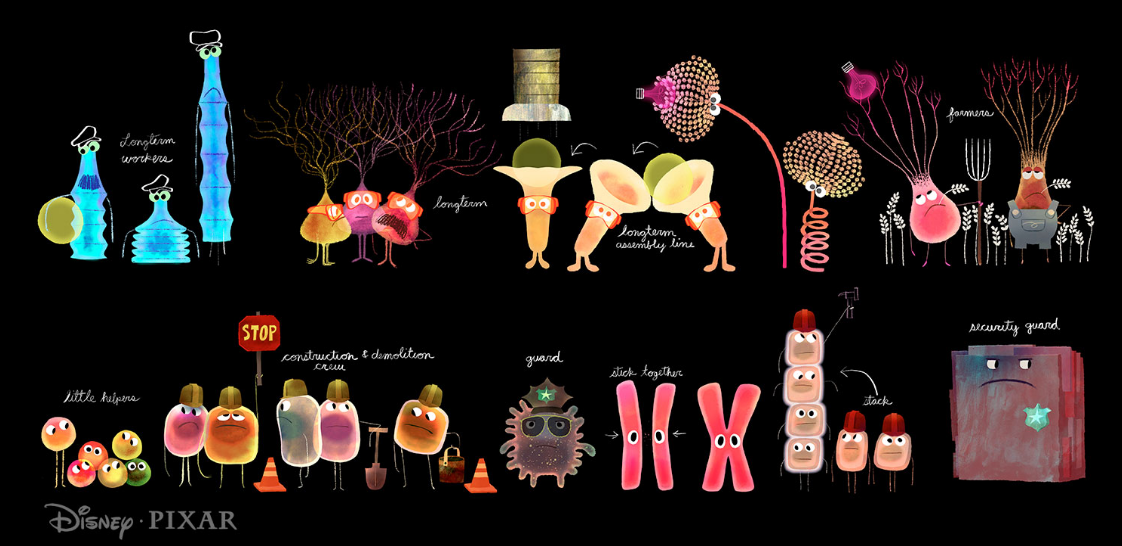
Here is a great resource to look at concept art:
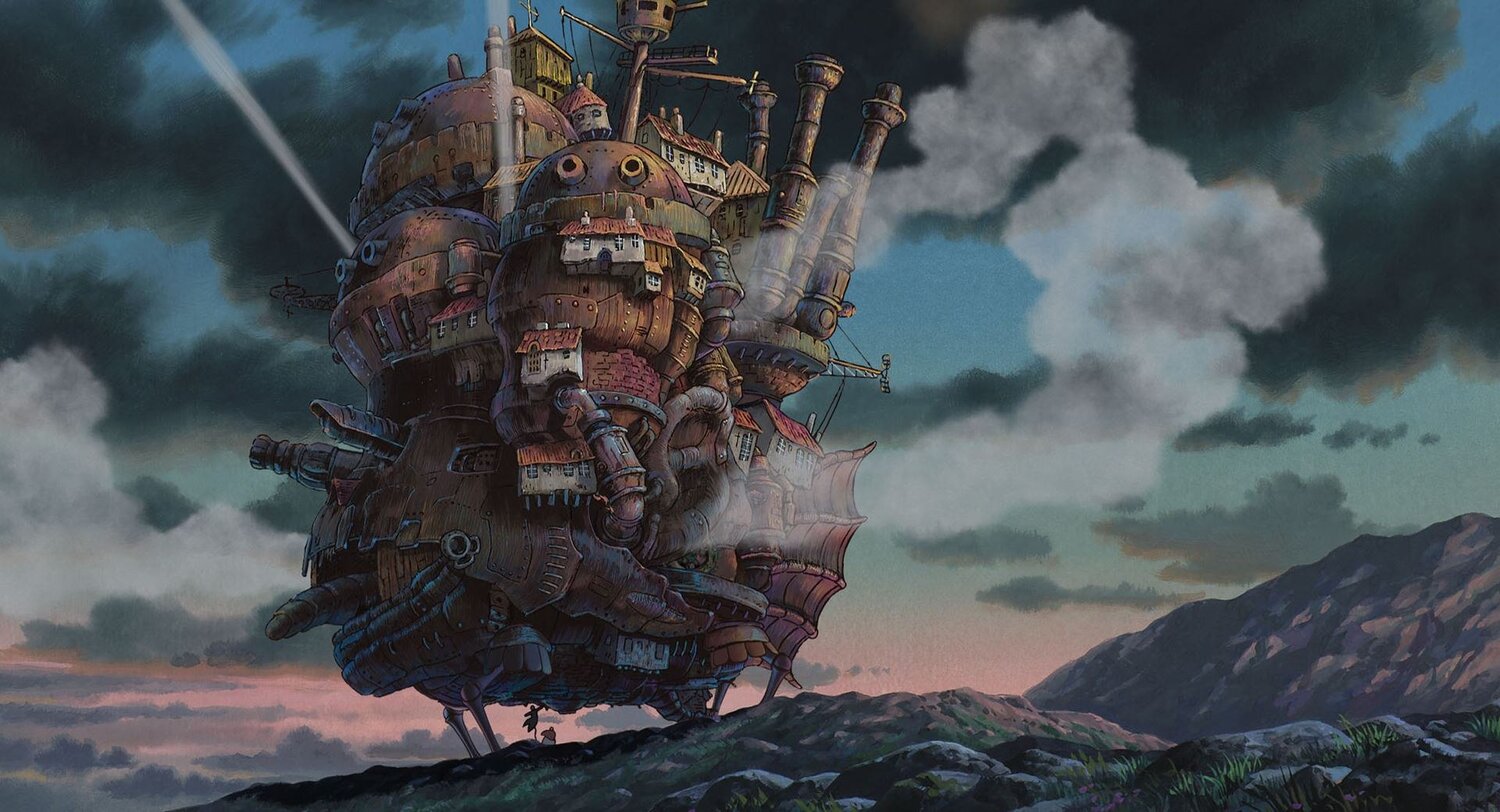
 characterdesignreferences.com
Character Design
As you are thinking about your protagonist, the main question you want to have in mind is “Who is your character, and how can their personality be visually explained?”
For example, if your character likes to pick fights, perhaps their hands would be more rugged or exaggeratedly large.
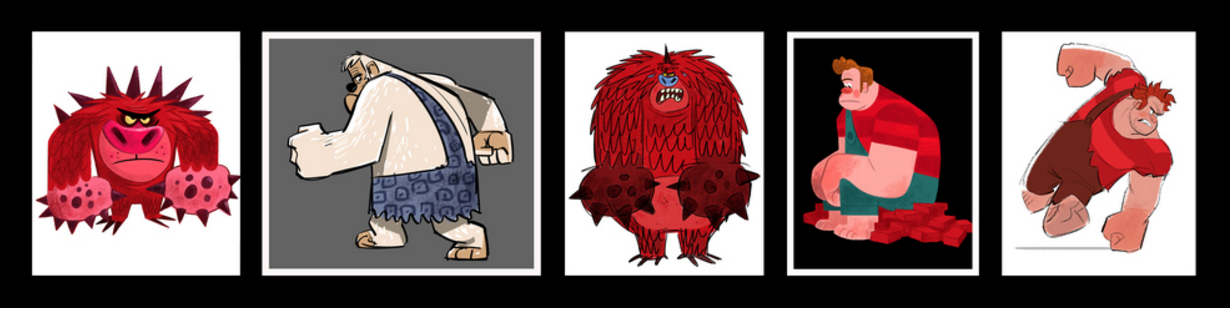
Ideally, write down the traits of your protagonist(s) - they need to have good characteristics that make them likeable. They also need flaws to make them relatable and clearly imperfect, since perfect people don’t have problems and are generally very boring.
For example, let’s look at Poppy, the protagonist in DreamWork’s Trolls
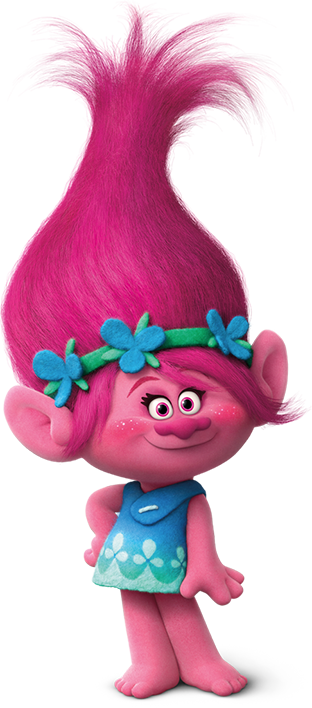
She is a very happy character, but her constant optimism and lighthearted take on the world eventually causes her downfall. Her likeability comes with having many friends - because she builds many friendships with the Trolls around her, you want to be friends with her as well. You root for her to succeed in the story because she is likeable, optimistic, and cares for the Trolls around her. She has a certain appeal to her, and her colors are extremely bright. Her flower crown indicates that she must be of royalty, and she is arguably the cutest character of all the Trolls in her village.
Now, let’s look at Carl Frederickson, the protagonist in Pixar’s UP
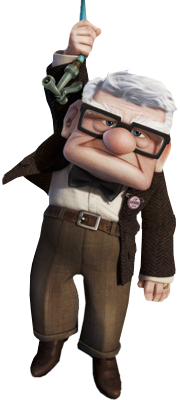
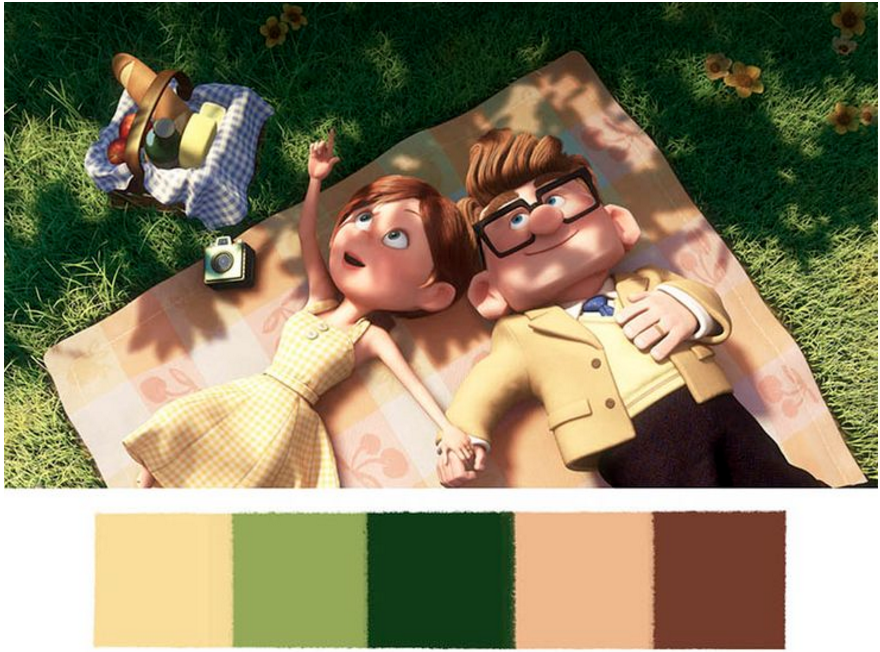
Clearly, he has many flaws - he’s old, cranky, and close-minded. But you sympathize with him because of Ellie’s death, and the montage at the beginning of the movie establishes that he is capable of fun and happiness. The beginning montage of UP is absolutely brilliant in that it establishes why you should care for this character, despite that he is negative and guarded for much of the rest of the movie. The audience feels that they understand Carl because of this, and thus they root for his success. His box-like face not only symbolizes his reliability, but it also represents the cage of sadness he is trapped in after losing Ellie.
Color and Lighting
Think about the world you want to build. What is the message you are trying to send to your audience, and how can it be most effectively communicated? Is the moral of your story something that is bitter? Unhappy? Fun? Serious? What are the colors that come to mind when you think of these moods?
Info
Here are some fun websites to check out if you want to set a color palette for your short:
https://coolors.co/ - Make swatches or load your moodboard images into websites that will generate a color palette for you
Fetching Data#od3t - Generate color palettes based on keywords